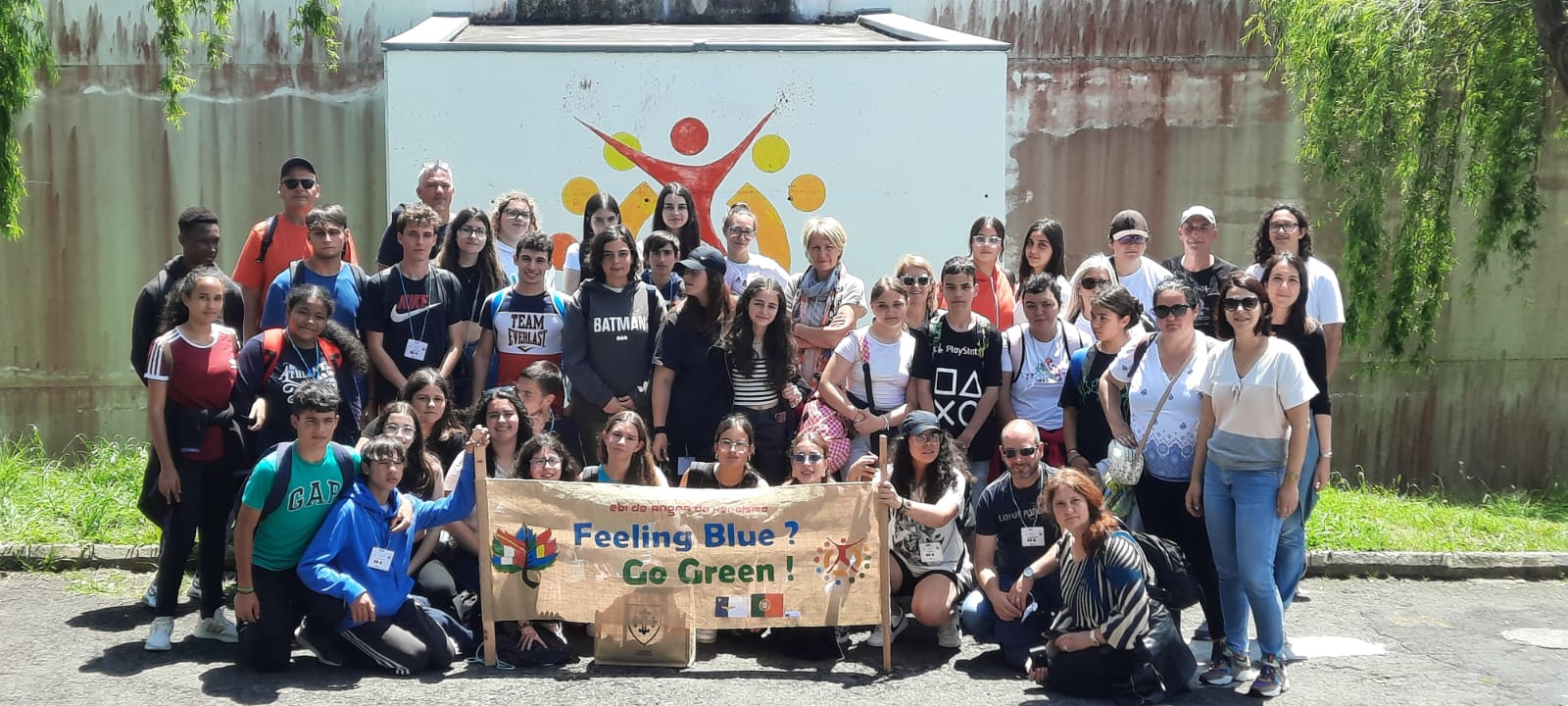
A last chapter in the awesome adventure called Feeling Blue? Go Green! has just ended. Of course, I am talking about the 6th short-term exchange of groups of students within the Erasmus+ project with the same name, with partners from Italy, Spain and France, Portugal and Romania. This last mobility, on the topic of Human Impact on the Azorean Ecosystem, took place in Angra do Heroismo, the capital city of Terceira Island, one of the nine spectacular islands in the Azores, Portugal.
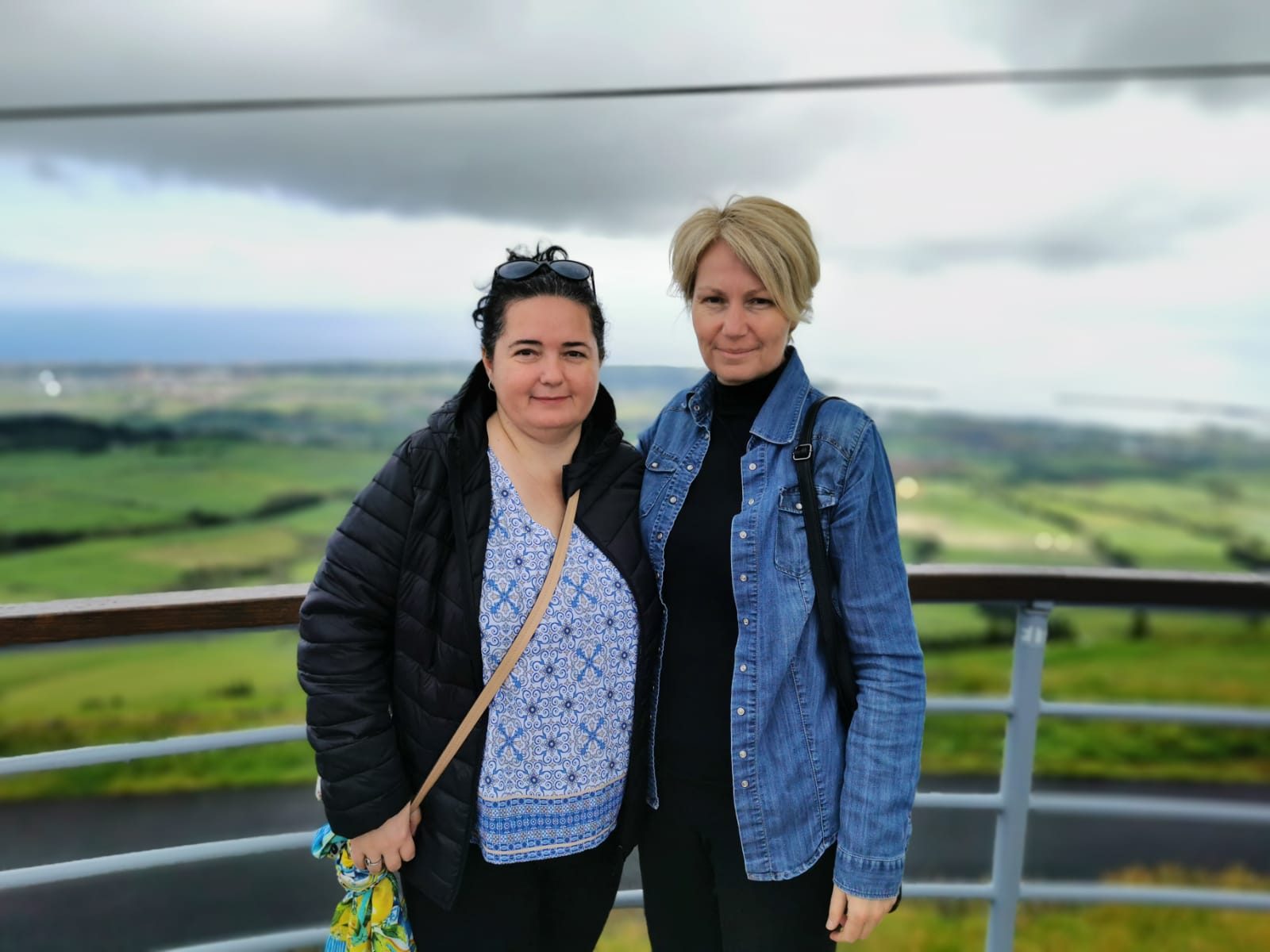
The coordinator of the project, Lucia Cighir, and I were the accompanying teachers of eight students from our school who were accommodated by host families during our stay, which offered them a complete experience of the local culture, lifestyles and traditions.
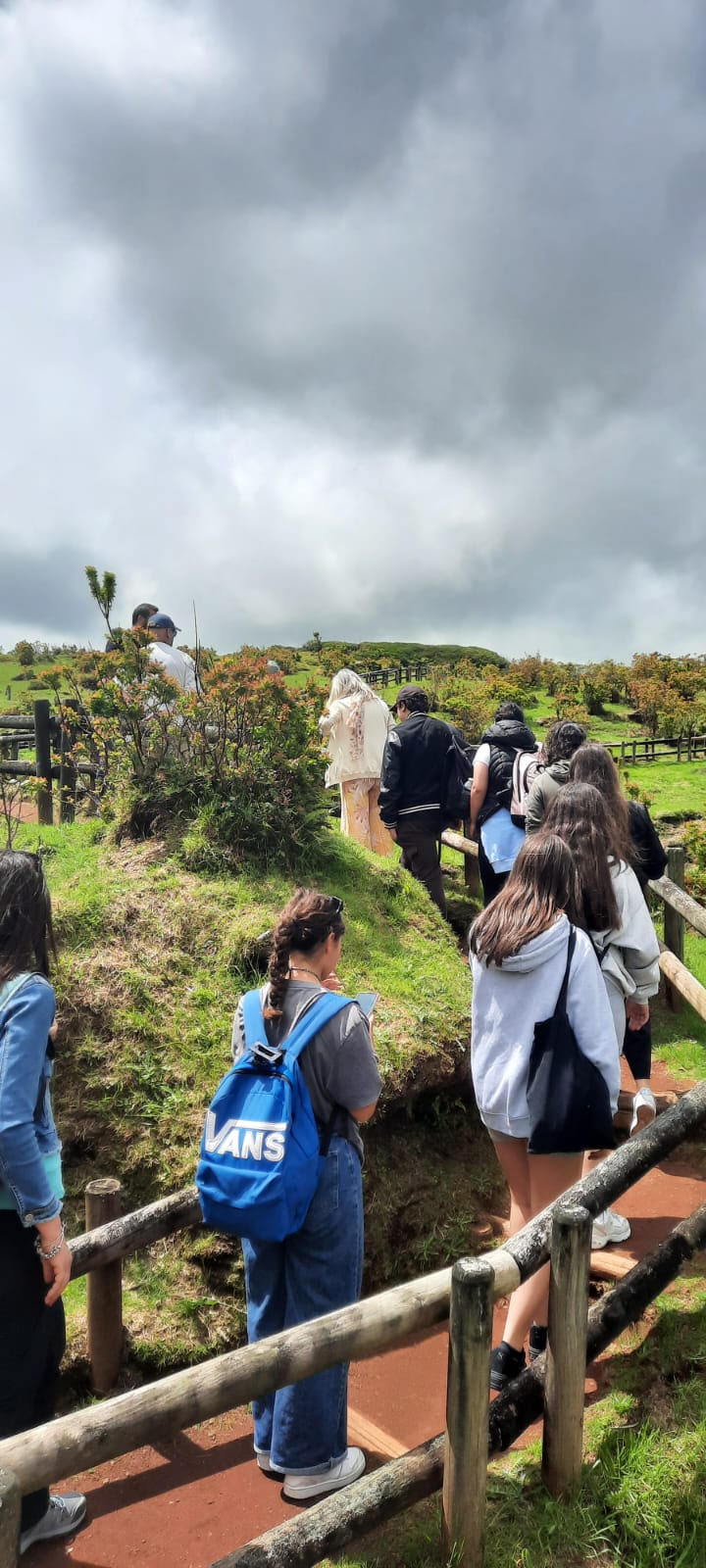
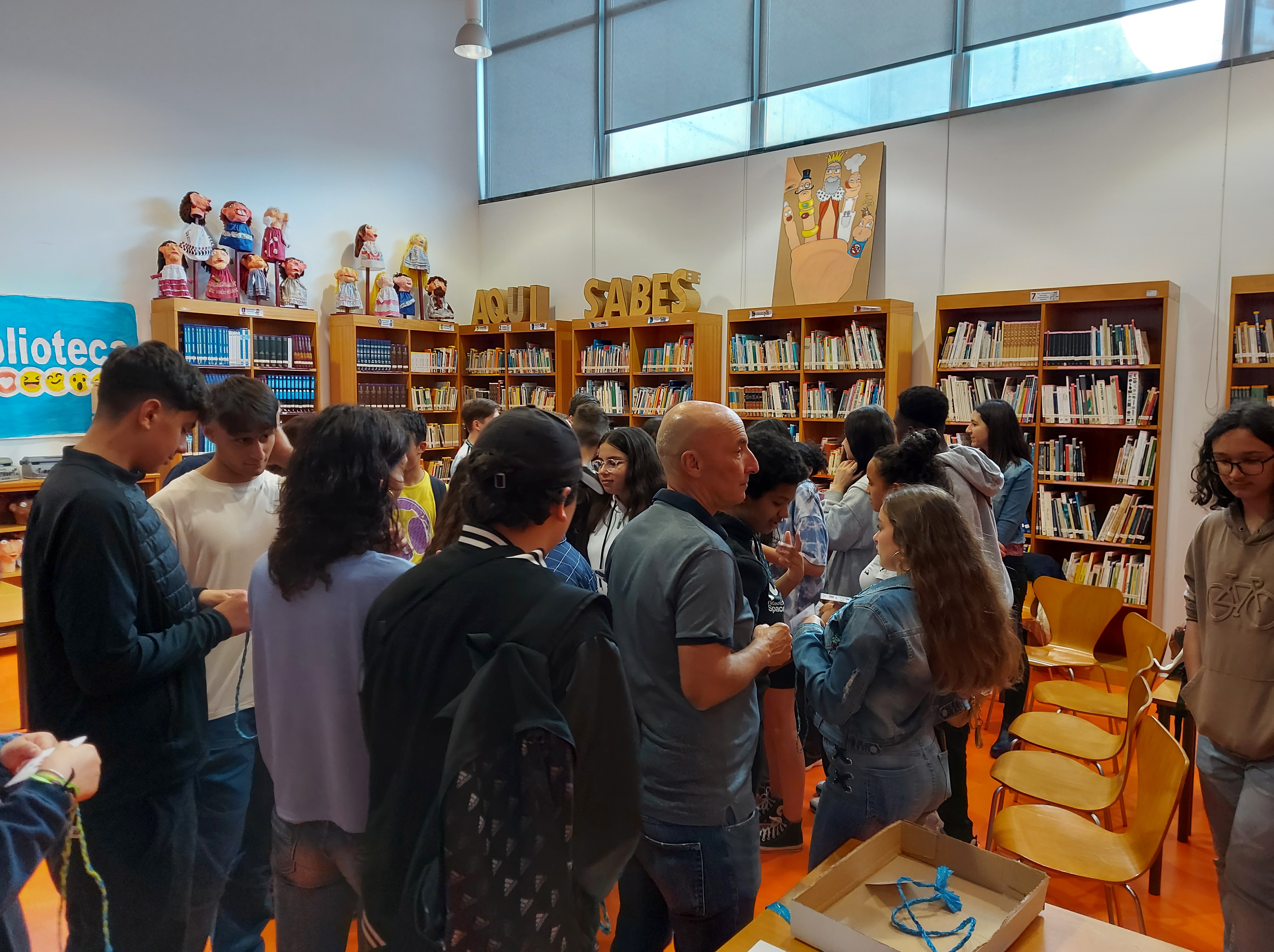
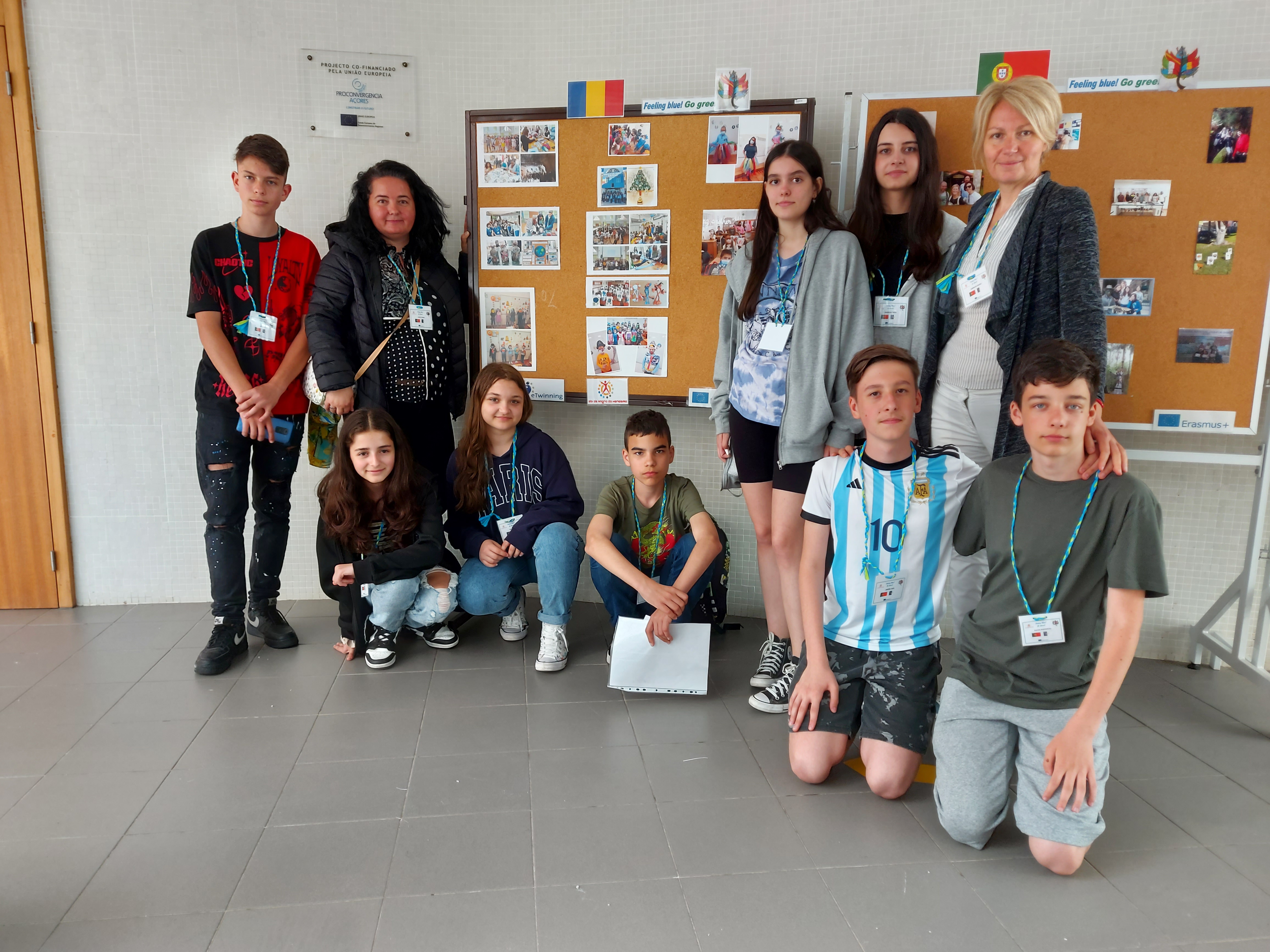
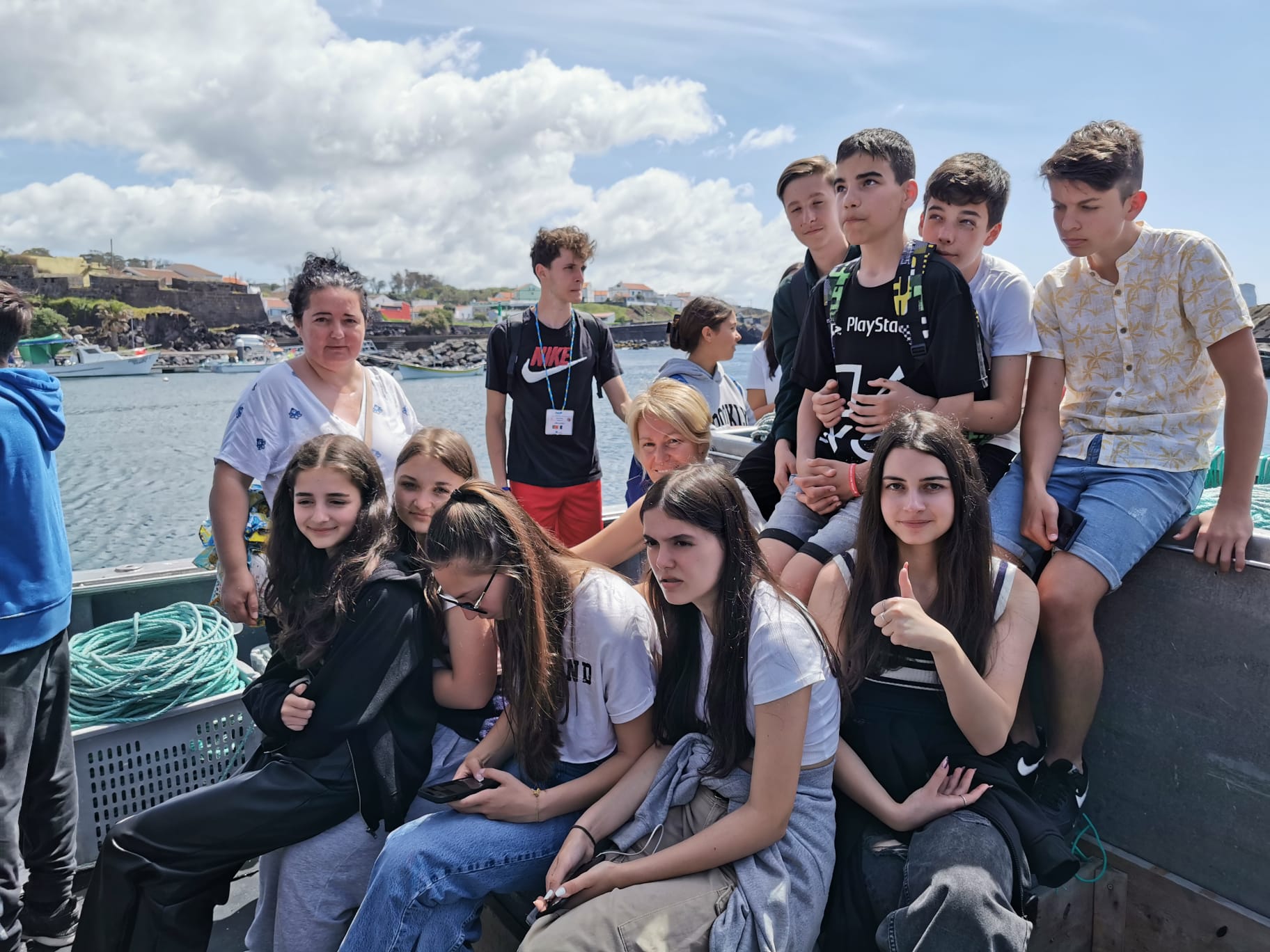
The school programme provided by the host school was minutely designed and flawlessly organized over our four-day stay, from a wide variety of engaging activities in the school, such as a photo exhibition, workshops, presentations of our countries, discussing the results of the environmental questionnaires, international breakfast, etc, to two fantastic field trips to places of environmental interest where our students could find out first-hand from specialists a wealth of important details regarding the fabulous local geography, climate or economy, but also about the vital importance of recycling, green energy, conservation and a responsible attitude towards the environment.
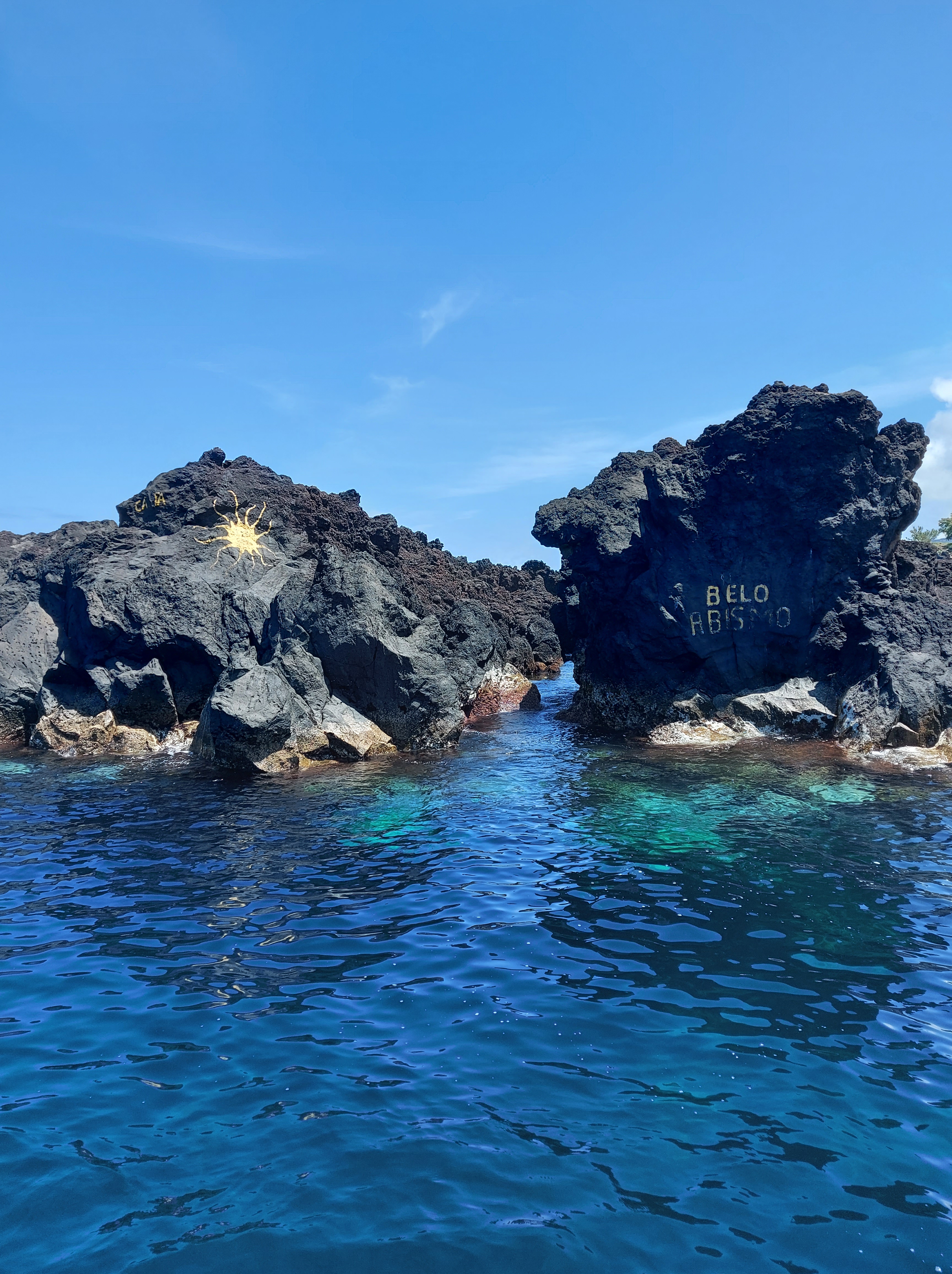
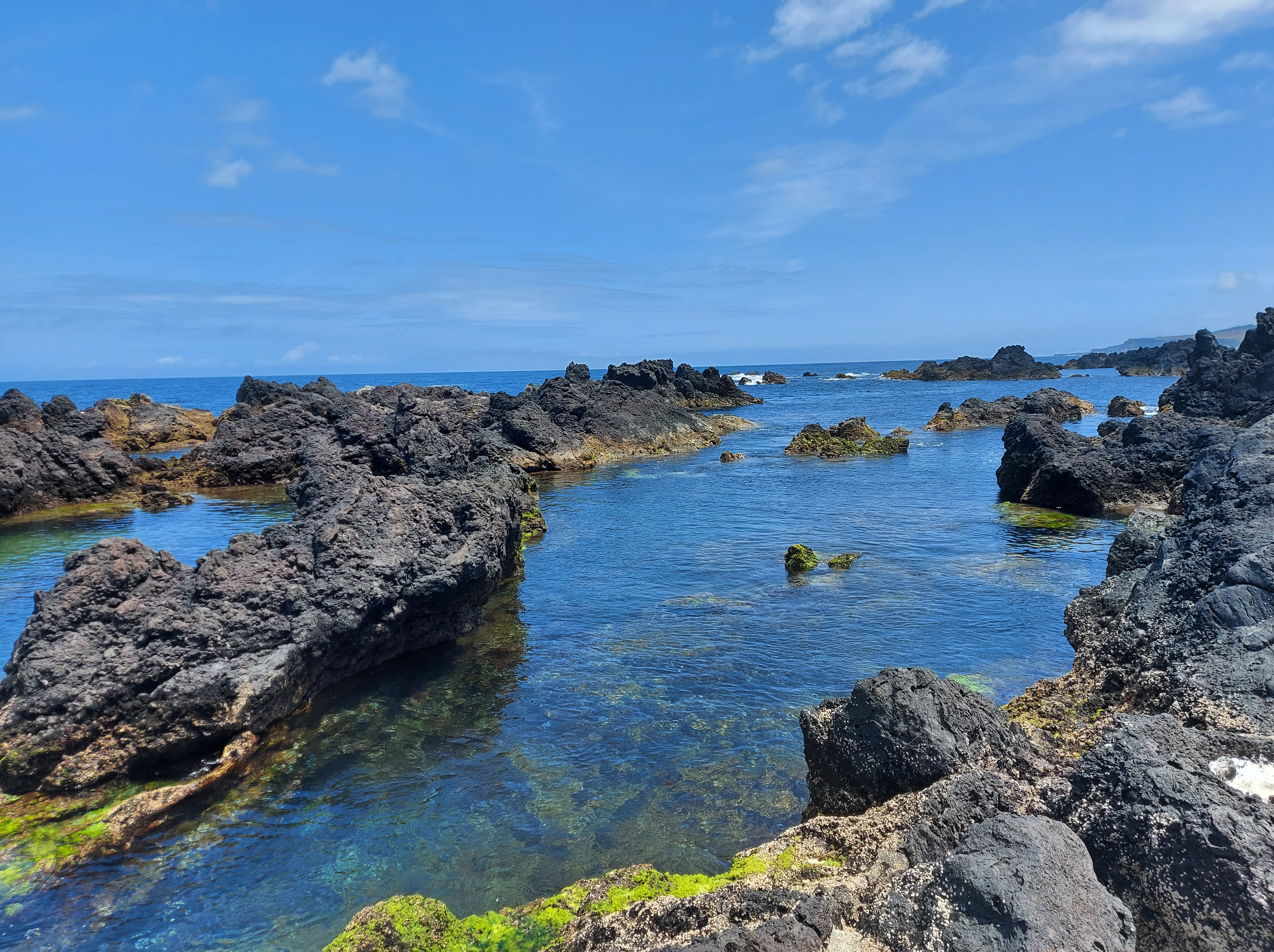
To give you a short tour of the places we visited in the Azores Geopark, I will mention only the highlights:
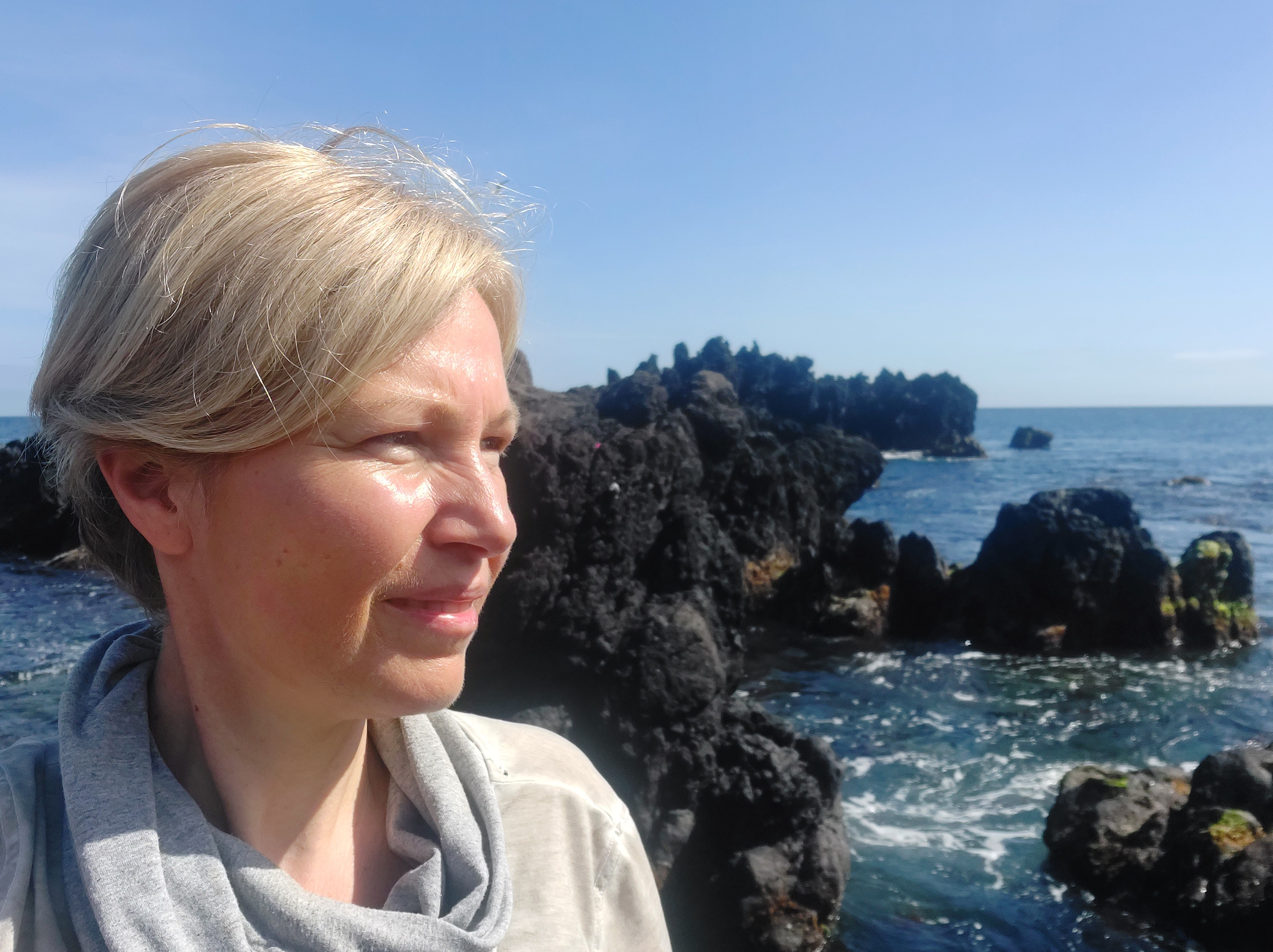
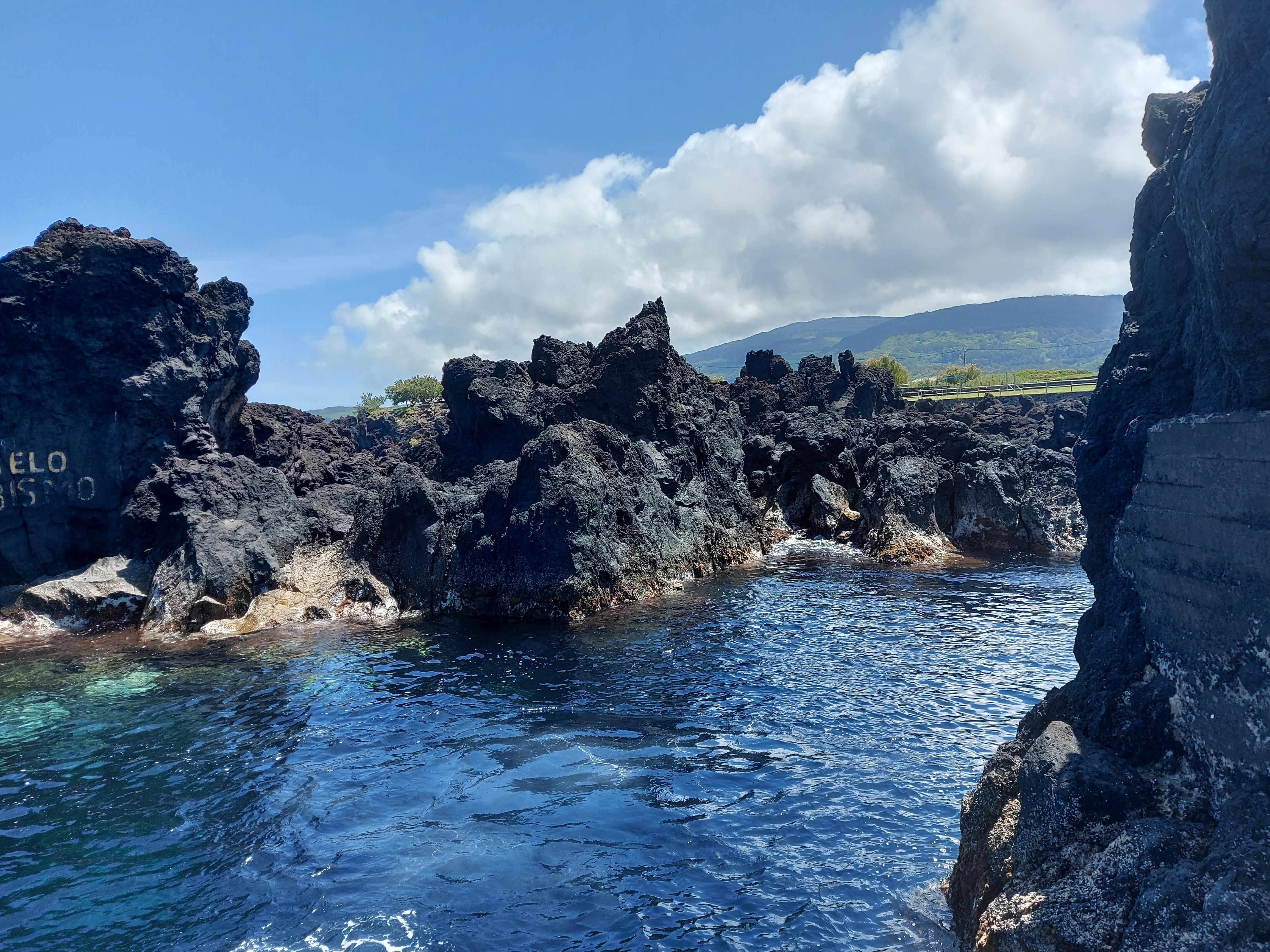
• Biscoitos natural pools. These pools are among the curious configurations of black rocks resulting from volcanic eruptions, creating a peculiar contrast between the dark basalt and the surreal blue of the sea. We could also enjoy a pleasant bath.
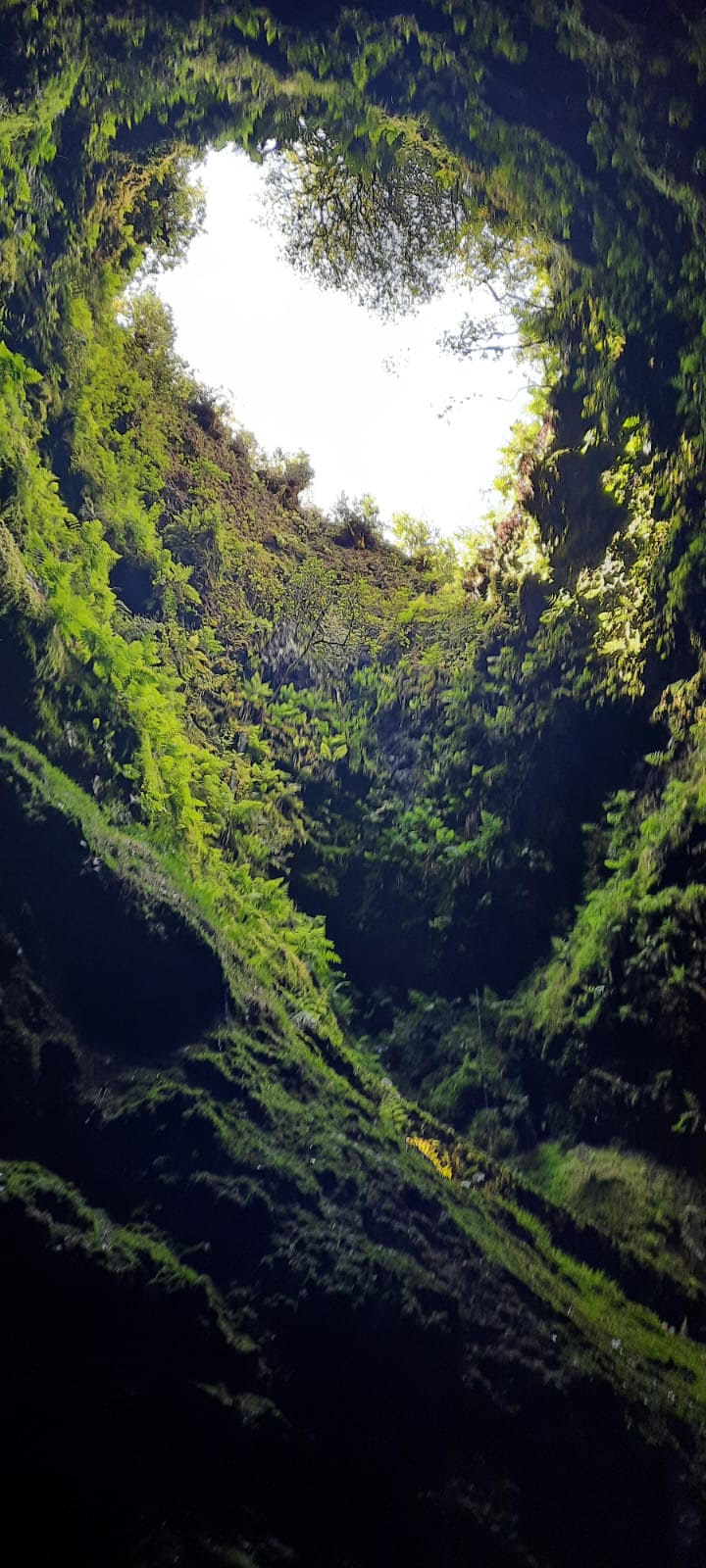
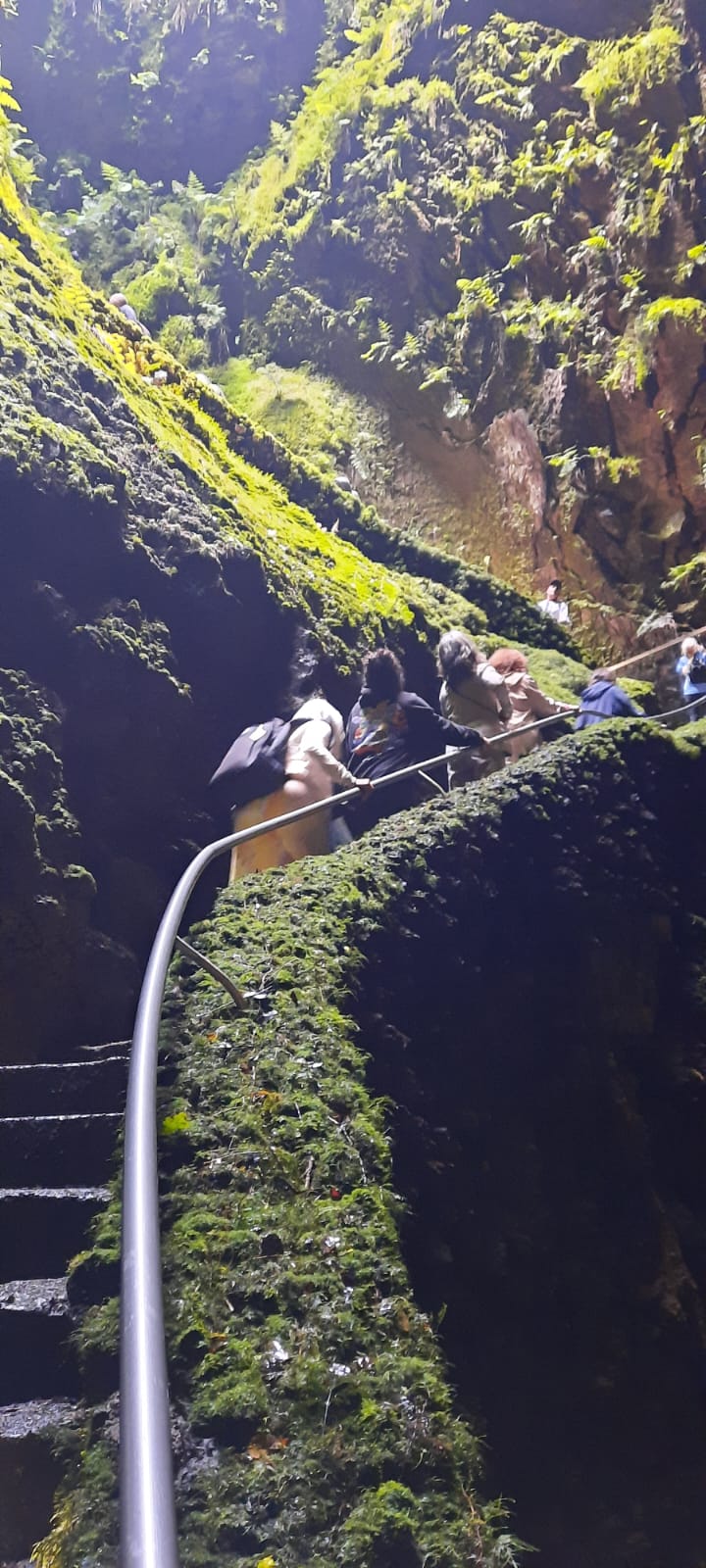
• Algar do Carvao. We were literally inside an active volcano, with the exit of the lava tube high above our heads. Absolutely stunning!
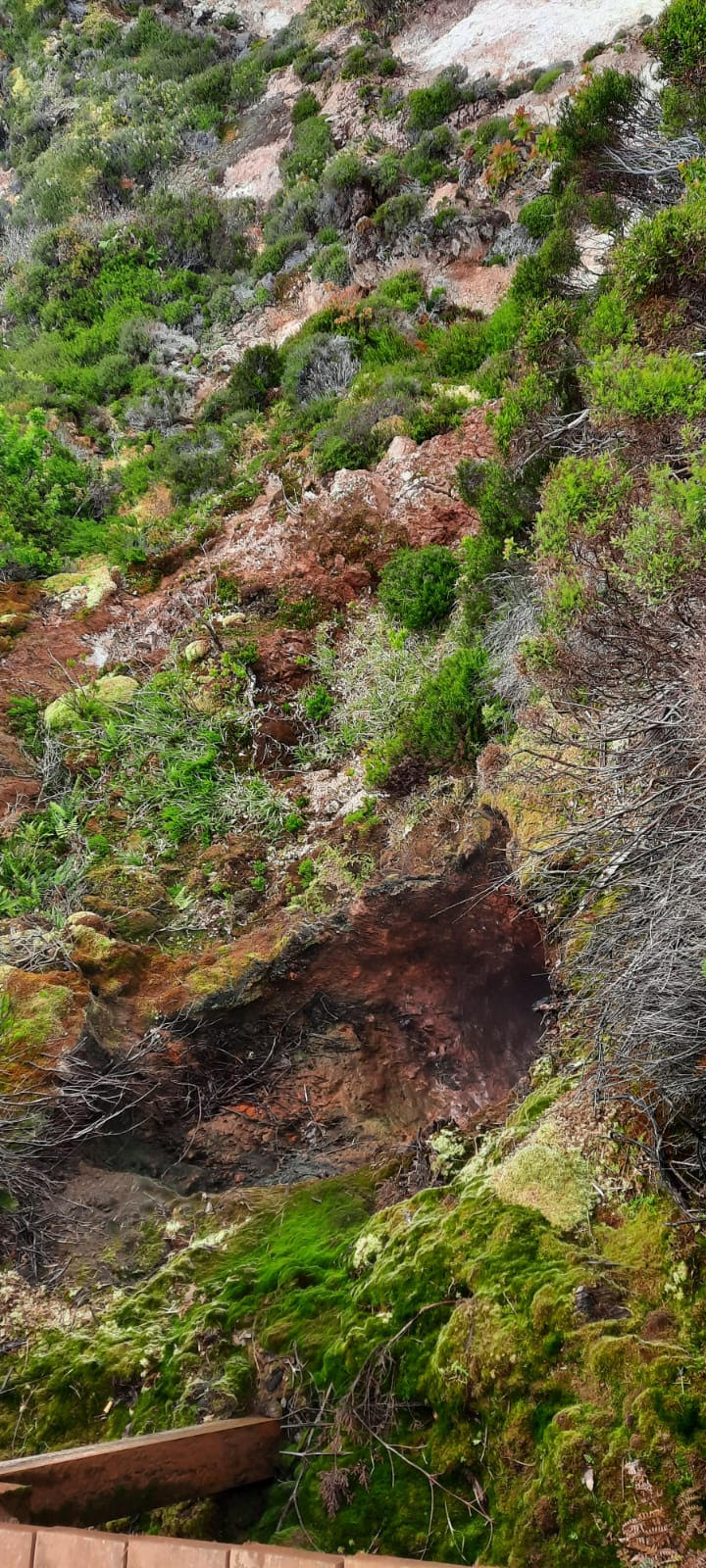
• Furnas do Enxofre. This is an outlandish area comprising several outlets of aggressive volcanic gases. To the eye, the place seemed to be a fairy tale setting, with whitish gas unexpectedly puffing out of the ground here and there.
• The Geothermal Power Plant. Here the students could find out how geothermal energy is produced.
• Monte Brazil. From our guide, we found out that Monte Brasil is the remnants of an extinct volcano that emerged from the sea to join the city of Angra do Heroísmo. Today, it is a protected landscape and the city’s natural park. From the top we could have a spectacular view of the island and its other volcanos.
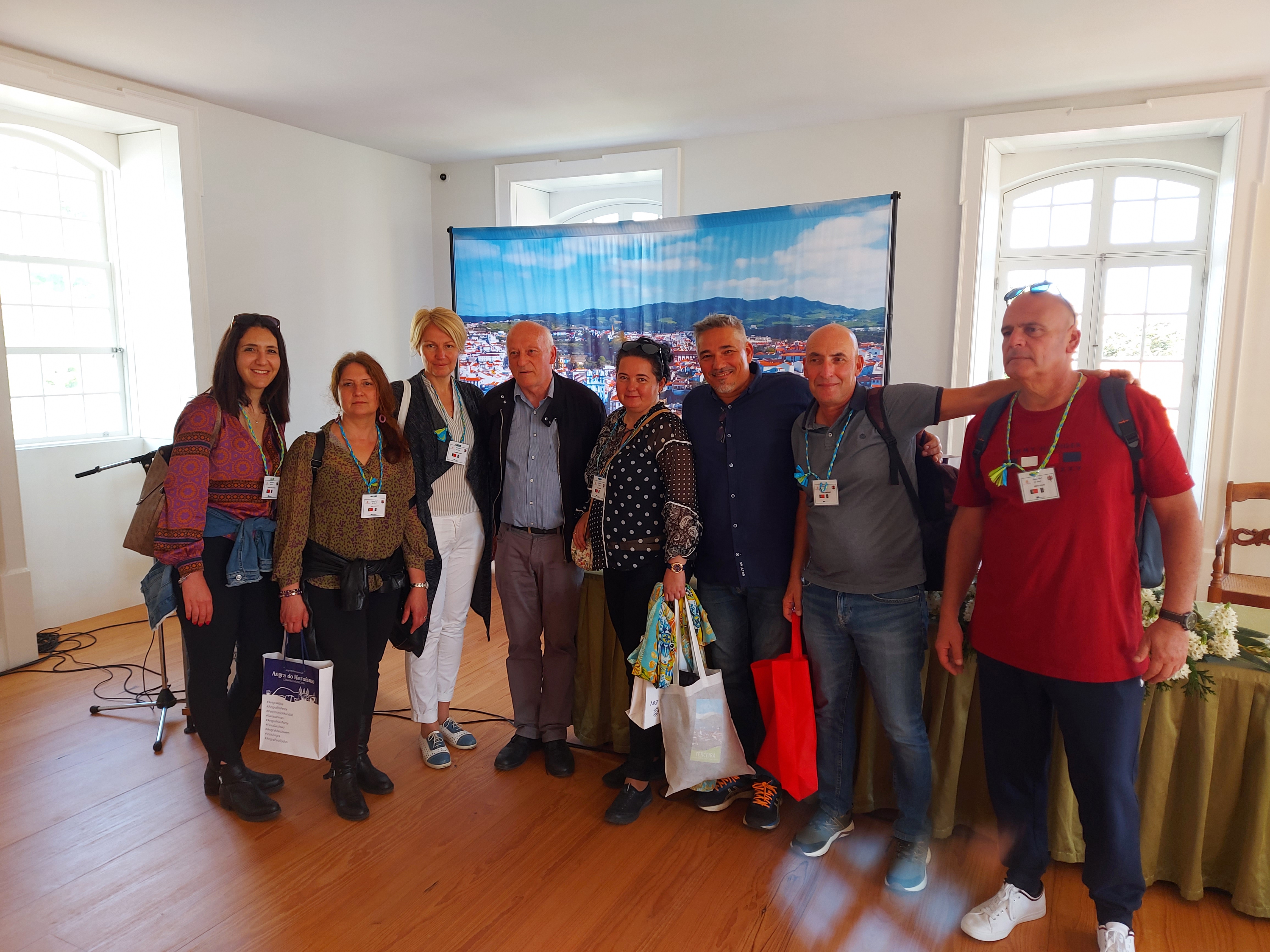
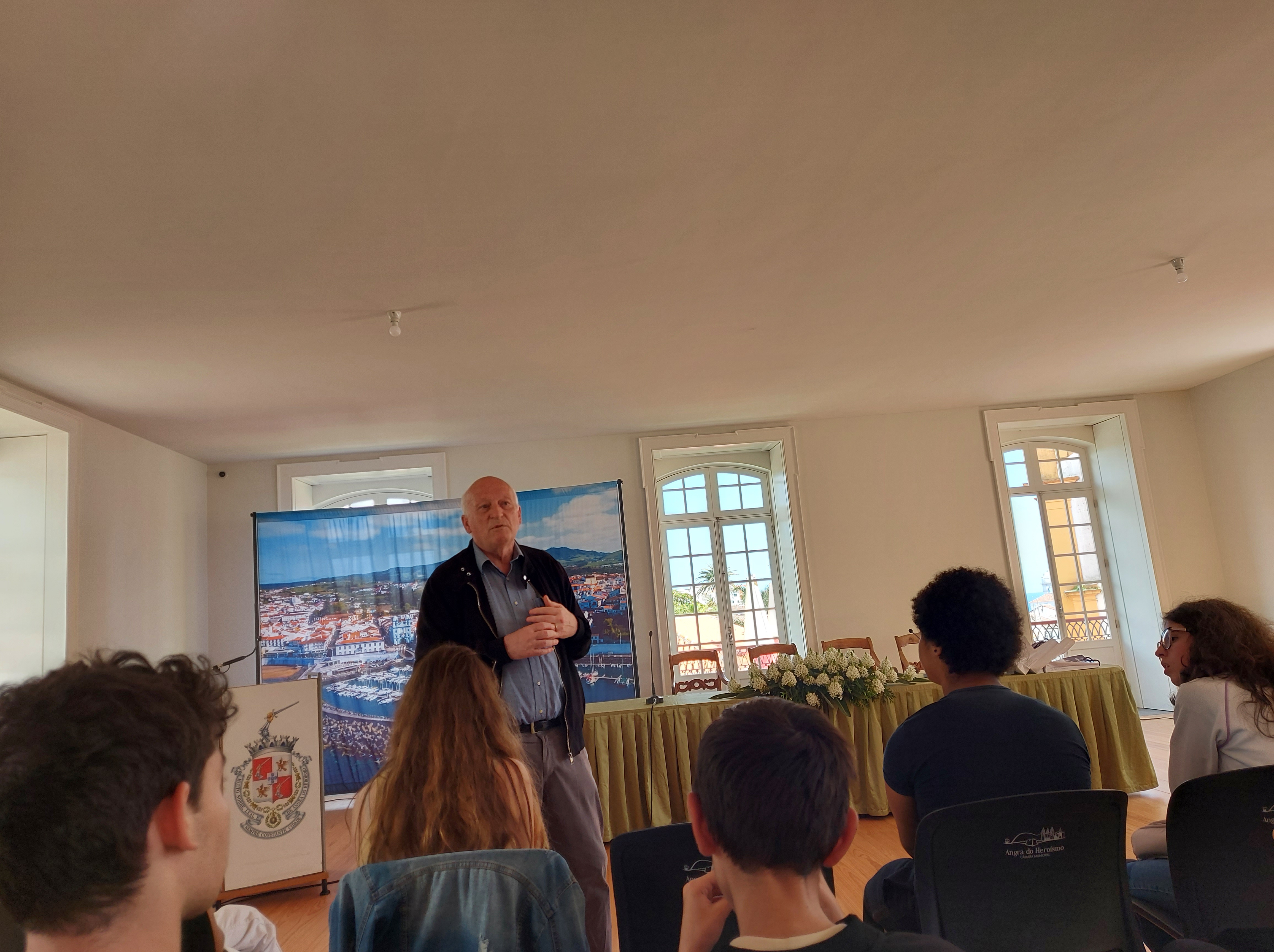
Besides these astonishing places, which are part of the Azorean natural heritage, I was particularly impressed by a special event organized for us: our visit to the town hall and meeting with the mayor of Angra, a knowledgeable, wise, elegant in attitude, yet very modest man, whose way of carrying himself and his eloquent speech about the geography, history and economy of the Azores, etched deep in our minds. In my opinion, the main important takeaways of the Azores experience are multiple, leaving the students enriched, opening their minds and hearts, making them infinitely more aware of the natural world they live in, more informed, more mature and responsible environmentally speaking. On the other hand, the cultural immersion was huge, the students being able to experience first-hand the local cuisine, the local traditions and people’s approach to life in general. Last but not least, they have built solid friendships with the Portuguese host students and become part of a huge family: The Erasmus family.
Copyright pictures: Luminita Dubau personal photo archive
 SCHOOL Bit